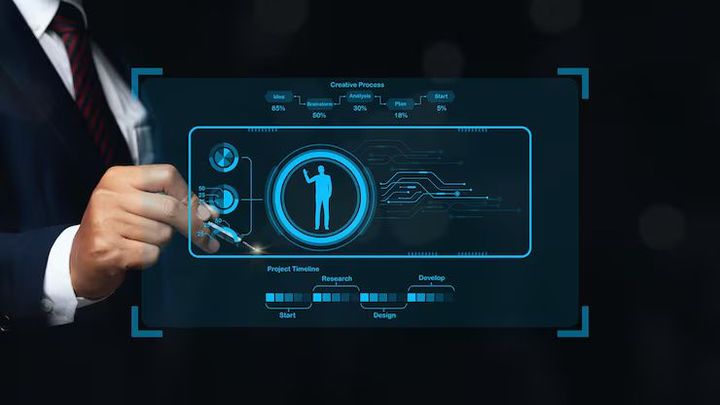
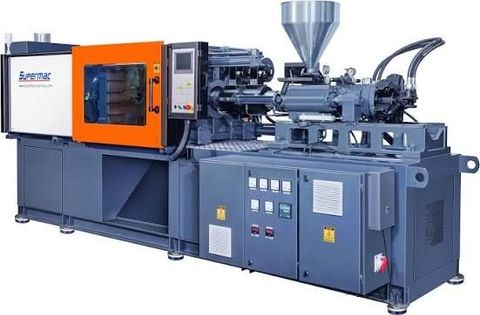
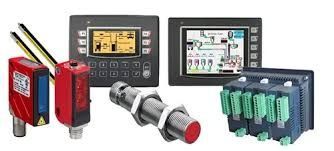
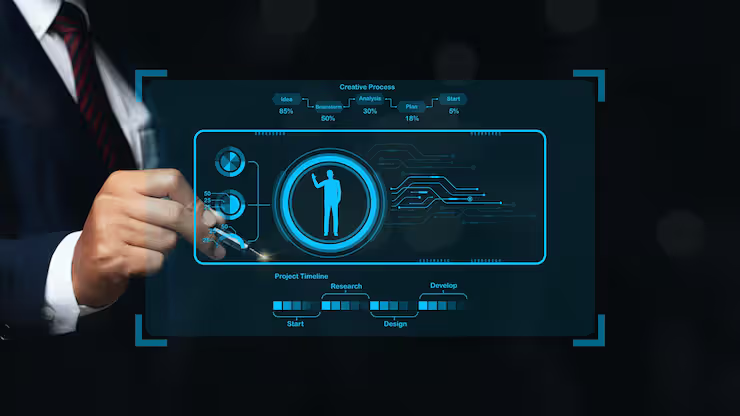
Human-Machine Interface (HMI) refers to the system that allows humans to interact with machines. It enables users to control equipment, monitor operations, and visualize data through dashboards, screens, or control panels.
Common examples include touchscreen panels in factories, ATM machines, car dashboards, and smart home control apps. These interfaces simplify complex operations and make systems more accessible to users.
HMI technology has evolved significantly over time. Early systems relied on physical switches and buttons, while modern HMIs use digital displays, graphical interfaces, and real-time data visualization.
Importance: Why HMI Systems Matter Today
HMI systems play a critical role in today’s automated and digital environments. As industries adopt technologies like IoT, AI, and automation, intuitive interfaces become essential for smooth operations.
One of the key benefits is improved efficiency. Operators can monitor systems in real time, quickly identify issues, and make informed decisions, reducing downtime and increasing productivity.
HMI systems also enhance safety by providing alerts and warnings. These features help prevent accidents and ensure compliance with industrial safety standards.
Another advantage is ease of use. Modern interfaces are designed to be user-friendly, making them accessible to both experienced professionals and beginners.
Industries Using HMI Systems
HMI systems are widely used across multiple sectors:
-
Manufacturing operators and engineers
-
Energy and utility providers
-
Healthcare professionals using medical equipment
-
Transportation systems and vehicle operators
-
Smart home users and building managers
Problems HMI Systems Help Solve
HMI systems address several operational challenges:
-
Reducing human error in complex processes
-
Simplifying control of automated systems
-
Improving data visibility and decision-making
-
Enhancing monitoring and diagnostics capabilities
Recent Updates: Trends and Developments in HMI (2025–2026)
HMI technology continues to evolve rapidly with new innovations. These developments are shaping how industries interact with machines and data.
Artificial intelligence is now integrated into many HMI systems. AI helps predict failures, optimize performance, and provide smart recommendations to operators.
Cloud-based HMI platforms are also gaining popularity. They allow users to access dashboards remotely, improving flexibility and real-time monitoring.
Touchless and voice-controlled interfaces are becoming more common, especially in healthcare. These reduce physical contact and improve hygiene.
Cybersecurity has become a priority. Modern systems include encryption, authentication, and secure communication protocols to protect data.
Augmented reality (AR) is another emerging trend. It allows technicians to visualize system data directly on physical equipment, improving maintenance efficiency.
Key HMI Trends Overview
| Trend | Description |
|---|
| AI Integration | Predictive analytics and intelligent automation |
| Cloud-Based HMI | Remote access and real-time monitoring |
| Touchless Interfaces | Voice and gesture-based controls |
| Cybersecurity Enhancements | Secure communication and data protection |
| Augmented Reality (AR) | Visual overlays for maintenance and diagnostics |
Laws or Policies: Regulations Affecting HMI Systems
HMI systems must comply with various laws and standards, especially in industrial environments. These regulations ensure safety, usability, and reliability.
International standards such as ISO guidelines help design interfaces that minimize human error. These standards focus on usability and operational safety.
Data protection laws are also important for cloud-based HMI systems. Regulations like GDPR require secure handling of operational and user data.
In India, HMI systems must follow safety regulations under the Factories Act and Bureau of Indian Standards (BIS). These rules ensure worker safety and system reliability.
Cybersecurity policies are increasingly relevant. Governments encourage industries to adopt secure practices to protect critical infrastructure.
Environmental regulations may also influence HMI systems. These are especially important in energy management applications where monitoring emissions is required.
Tools and Resources: Useful HMI Platforms and Technologies
Various tools are available to design and manage HMI systems. These tools help improve usability, efficiency, and system performance.
Common HMI Platforms
-
SCADA (Supervisory Control and Data Acquisition) systems
-
Industrial automation software with built-in HMI modules
-
Web-based dashboard tools for remote monitoring
Key Features of HMI Tools
-
Real-time data visualization
-
Alarm management and notifications
-
Customizable dashboards
-
Data logging and reporting
-
Remote access capabilities
Comparison of Common HMI Features
| Feature | Purpose |
|---|
| Data Visualization | Displays real-time system performance |
| Alarm Systems | Alerts users about critical issues |
| Remote Access | Enables monitoring from different locations |
| Custom Dashboards | Allows personalized interface design |
| Data Logging | Records historical data for analysis |
Additional Resources
-
Online tutorials and technical documentation
-
Industry forums and knowledge-sharing platforms
-
Training programs for HMI and automation
-
Simulation tools for testing system performance
FAQs: Common Questions About HMI Systems
What is the main purpose of an HMI system?
The main purpose of an HMI system is to provide a user-friendly interface for interacting with machines. It allows users to monitor processes and control operations efficiently.
Where are HMI systems commonly used?
HMI systems are used in industries such as manufacturing, energy, healthcare, transportation, and building automation.
How is HMI different from SCADA?
HMI is the interface users interact with, while SCADA is a broader system that collects and processes data. HMI is often a part of SCADA systems.
Are HMI systems secure?
Modern HMI systems include features like encryption and authentication. However, proper setup and maintenance are necessary to ensure security.
What skills are needed to work with HMI systems?
Basic knowledge of industrial processes and software interfaces is required. Advanced roles may involve programming and data analysis skills.
Conclusion
Human-Machine Interfaces are essential for connecting people with modern technology. They simplify complex systems and improve operational efficiency across industries.
With advancements like AI, cloud computing, and augmented reality, HMI systems are becoming more powerful and accessible. These innovations are shaping the future of automation and digital interaction.
At the same time, regulations ensure that HMI systems remain safe, secure, and reliable. Understanding HMI technology helps individuals and organizations adapt to an increasingly automated world.