Ice Cream Making Machines Overview: How They Work and Key Things to Know
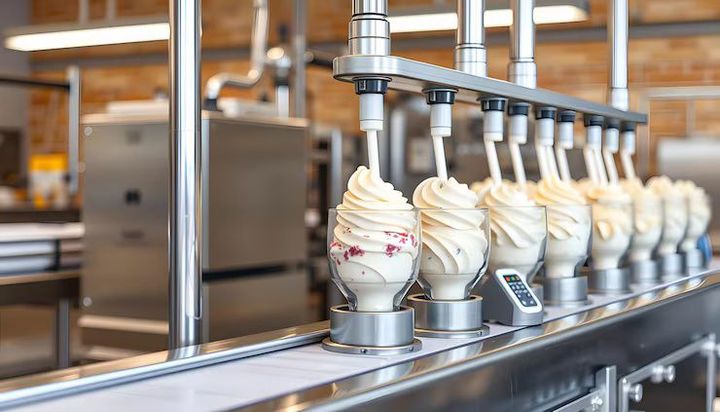
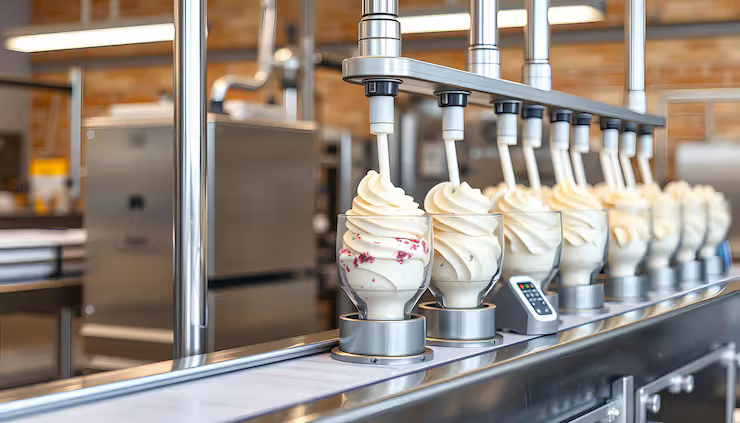
Ice cream making machines are specialized devices designed to produce frozen desserts by combining ingredients such as milk, cream, sugar, and flavorings while controlling temperature and texture. These machines are used in homes, restaurants, and industrial food production environments to ensure consistent quality and efficiency.
Ice cream machines operate on a simple principle: freezing a liquid mixture while continuously stirring it. This process prevents large ice crystals from forming and results in a smooth, creamy texture.
Modern machines range from compact home appliances to large industrial systems. Their design and functionality vary depending on usage, capacity, and level of automation.
Types of Ice Cream Machines
There are three main types of ice cream machines, each suited for different needs:
-
Manual machines
- Require ice and salt for freezing
- Involve manual churning
- Suitable for occasional or traditional use
-
Compressor machines
- Include built-in refrigeration systems
- Allow continuous operation
- Ideal for frequent or commercial use
-
Pre-freeze bowl machines
- Use a pre-frozen container
- More affordable and compact
- Common in home kitchens
These machines simplify ice cream production and ensure consistent results. Without them, achieving smooth texture and uniform quality would be difficult and time-consuming.
Importance – Why Ice Cream Machines Matter Today
Ice cream machines are essential in both domestic and commercial food preparation. Their importance has increased due to evolving consumer preferences and advancements in food technology.
One major benefit is consistency in product quality. Machines ensure uniform texture, flavor distribution, and temperature control across every batch.
Key Benefits
-
Efficiency and time-saving
- Reduces manual effort
- Speeds up production
-
Product consistency
- Maintains uniform texture and taste
- Critical for commercial operations
-
Customization and innovation
- Supports diverse recipes and ingredients
These machines also enable the production of modern dessert variations, such as:
- Low-fat ice cream
- Plant-based frozen desserts
- Sugar-reduced options
- Nutrient-enhanced products
In addition, the rise of home-based food businesses and DIY cooking has increased demand for compact machines. They also help address operational challenges like food safety, production errors, and scalability.
Recent Updates – Trends and Developments (2025–2026)
Recent innovations in ice cream machines reflect broader trends in food technology and sustainability. Manufacturers are focusing on improving usability, efficiency, and adaptability.
Key Trends
-
Smart technology integration
- Digital controls and touchscreen interfaces
- App-based monitoring for precision
-
Energy efficiency improvements
- Reduced power consumption
- Use of eco-friendly refrigerants
-
Plant-based compatibility
- Adapted for almond, oat, and coconut milk
-
Compact commercial designs
- Suitable for small spaces like food trucks
-
AI and automation features
- Automated recipes
- Predictive maintenance alerts
Trends Data Table
| Trend Category | Description | Impact Level |
|---|---|---|
| Smart Controls | App-based monitoring and digital interfaces | High |
| Energy Efficiency | Reduced power usage and eco refrigerants | High |
| Plant-Based Adaptation | Compatibility with non-dairy ingredients | Medium |
| Compact Design | Smaller machines for limited spaces | Medium |
| AI Integration | Automated settings and diagnostics | Emerging |
These developments highlight a shift toward smarter and more sustainable food processing equipment.
Laws or Policies – Regulations Affecting Ice Cream Machines
Ice cream machines, especially in commercial environments, must comply with food safety and equipment regulations. These rules ensure hygiene, safety, and environmental responsibility.
In India, guidelines from the Food Safety and Standards Authority of India (FSSAI) play a key role in regulating food equipment standards.
Key Regulatory Requirements
-
Food contact materials
- Must be non-toxic and safe for ingredients
-
Sanitation standards
- Equipment should be easy to clean
- Prevents bacterial contamination
-
Temperature control
- Maintains safe storage and freezing conditions
-
Electrical safety
- Must meet appliance safety standards
Environmental policies also influence machine design. Many manufacturers are shifting to eco-friendly refrigerants to meet global sustainability goals.
Compliance with inspections and certifications is essential for commercial operations. It ensures safe food handling and adherence to legal requirements.
Tools and Resources – Helpful Platforms and References
Various tools and resources support effective use and maintenance of ice cream machines. These are useful for both beginners and professionals.
Useful Tools
-
Recipe calculators
- Adjust ingredient quantities
-
Temperature monitoring apps
- Track freezing and mixing conditions
-
Maintenance checklists
- Guide cleaning and servicing
-
Food safety websites
- Provide updated regulations
-
User manuals and guides
- Help with troubleshooting and operation
Common Resource Platforms
- Online food processing education platforms
- Appliance manufacturer knowledge bases
- Government food safety portals
- Kitchen equipment comparison websites
These resources help users improve efficiency, maintain hygiene, and achieve consistent results.
FAQs – Common Questions About Ice Cream Machines
What is the main function of an ice cream machine?
The main function is to freeze and churn a liquid mixture at the same time. This process prevents large ice crystals and creates a smooth texture.
How does a compressor-based machine differ?
Compressor machines have built-in cooling systems. They allow continuous use without needing pre-frozen parts.
Can these machines handle non-dairy ingredients?
Yes, many modern machines support plant-based ingredients. However, results depend on the recipe composition.
Why is churning important?
Churning introduces air and breaks ice crystals. This results in a soft and creamy texture instead of a hard block.
How often should machines be cleaned?
Machines should be cleaned after every use. Regular maintenance ensures hygiene and long-term performance.
Conclusion – Key Takeaways
Ice cream machines are essential tools in modern food preparation. They enable efficient, consistent, and scalable production of frozen desserts.
Technological advancements such as smart controls, energy efficiency, and AI integration are shaping the future of these machines. At the same time, regulatory standards ensure safety and hygiene.
Understanding machine types, trends, and supporting tools helps users make informed decisions. Whether for home use or commercial production, these machines combine technology with culinary creativity.