Industrial Instrumentation: A Complete Guide to Modern Measurement and Control Systems
Industrial instrumentation plays an important role in modern manufacturing, energy production, water treatment, and many other industries.
It includes devices and systems that measure, monitor, and control physical conditions such as temperature, pressure, flow, and liquid levels. These measurements help equipment operate in a stable and predictable way.
This field has developed alongside industrial automation, making production processes more accurate and easier to monitor. Today, industrial instrumentation systems work together with digital technologies, industrial control systems, and industrial monitoring systems to support reliable plant operations.
Context
Understanding Industrial Instrumentation
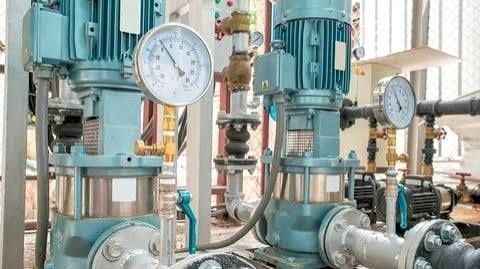
Industrial instrumentation refers to the collection of instruments, sensors, transmitters, and control equipment used to measure and regulate industrial processes. Process instrumentation collects information from equipment and production lines, while industrial automation instrumentation uses that information to maintain desired operating conditions.
Common measurement areas include:
- Temperature
- Pressure
- Flow
- Liquid and material levels
- Humidity
- Vibration
- Electrical values
Main Components
A typical instrumentation setup includes several connected parts.
| Component | Primary Purpose |
|---|---|
| Industrial sensors and transmitters | Measure physical conditions and convert them into signals |
| Pressure transmitters | Measure gas or liquid pressure |
| Flow measurement instruments | Monitor liquid, gas, or steam movement |
| Temperature measurement instruments | Record heating or cooling conditions |
| Level measurement sensors | Detect material or liquid levels inside tanks |
| Instrumentation control panels | Organize monitoring and control equipment |
| Industrial control systems | Process measurement data and manage equipment responses |
Importance
Why Measurement Matters
Accurate measurement helps industrial facilities understand what is happening during production. Without reliable information, equipment may operate outside expected limits, reducing efficiency and increasing maintenance requirements.
Process control instrumentation supports consistent operating conditions by continuously tracking important values. This benefits industries such as:
- Food processing
- Water treatment
- Chemical manufacturing
- Oil and gas
- Power generation
- Pharmaceutical production
- Mining
Everyday Benefits
Although many people never see industrial instrumentation directly, it affects daily life through products and infrastructure. Stable manufacturing processes contribute to consistent product quality, safer industrial operations, and more reliable public utilities.
Industrial monitoring systems also help identify equipment changes before they become larger operational issues, allowing maintenance teams to plan inspections more effectively.
Recent Updates
Growth of Digital Monitoring
Current industrial instrumentation systems increasingly combine traditional measurement devices with digital communication networks. Modern sensors can transmit information continuously, allowing operators to monitor multiple facilities from centralized locations.
Industrial automation instrumentation is also becoming more connected with cloud-based monitoring platforms and advanced data analysis tools. These systems help organize large amounts of operational information into easy-to-understand dashboards.
Smarter Instrumentation
Recent trends include:
- Wireless industrial sensors and transmitters
- Remote equipment monitoring
- Improved cybersecurity for industrial control systems
- Artificial intelligence assisting equipment analysis
- More compact instrumentation control panels
- Increased use of predictive maintenance techniques
These developments improve visibility across industrial facilities while supporting more informed operational decisions.
Laws or Policies
Regulatory Framework
Industrial instrumentation is influenced by safety regulations, environmental requirements, and technical standards that vary by country. Governments often require industries to monitor emissions, pressure systems, electrical equipment, and workplace safety conditions.
Many organizations also follow internationally recognized standards developed by groups such as the International Organization for Standardization (ISO) and the International Electrotechnical Commission (IEC). Industries handling hazardous materials may also follow additional sector-specific regulations related to measurement accuracy and equipment reliability.
Tools and Resources
Helpful Resources
People learning about industrial instrumentation can use several educational resources and technical platforms.
Useful resources include:
- Manufacturer technical documentation for sensors and transmitters
- Instrument sizing calculators
- Engineering design software
- PLC and SCADA simulation platforms
- Technical standards published by ISO and IEC
- Educational material from engineering associations
- Process diagrams and instrumentation templates
- Industrial instrumentation consulting resources for planning and technical guidance
These materials help readers understand equipment selection, measurement principles, and system design concepts.
FAQs
What is industrial instrumentation?
Industrial instrumentation is the use of instruments, sensors, and control equipment to measure and manage industrial processes. It helps monitor values such as pressure, temperature, flow, and liquid levels.
What are industrial instrumentation systems used for?
Industrial instrumentation systems collect measurement data, transmit information, and support process control instrumentation within industrial facilities. They help maintain stable operating conditions across production processes.
How do pressure transmitters and flow measurement instruments work?
Pressure transmitters convert pressure into electrical signals that control systems can interpret. Flow measurement instruments determine how much liquid, gas, or steam moves through a pipe over a specific period.
Why are temperature measurement instruments and level measurement sensors important?
Temperature measurement instruments help maintain suitable heating or cooling conditions, while level measurement sensors monitor materials stored in tanks or containers. Together, they improve process visibility and operational consistency.
What is the difference between industrial sensors and transmitters and industrial control systems?
Industrial sensors and transmitters collect physical measurements from equipment. Industrial control systems receive that information, analyze it, and coordinate responses based on programmed operating parameters.
Conclusion
Industrial instrumentation forms the foundation of modern measurement and control across many industries. By combining sensors, transmitters, control equipment, and digital monitoring tools, organizations can better understand industrial processes and respond to changing conditions. Ongoing developments continue to improve data collection, connectivity, and operational awareness while supporting safe and consistent industrial operations.