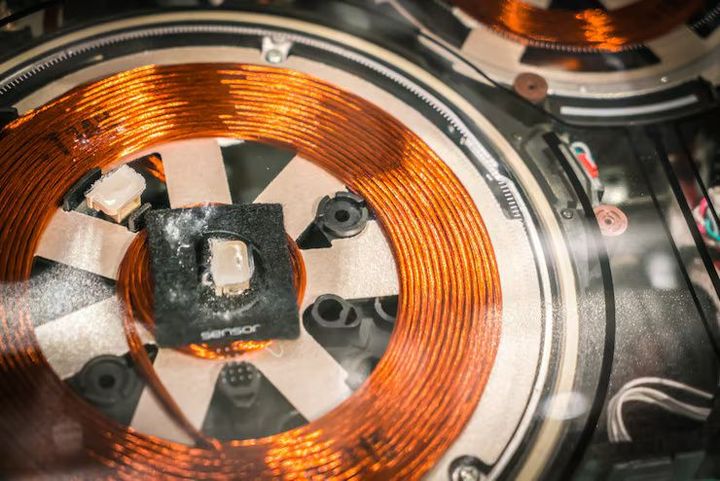
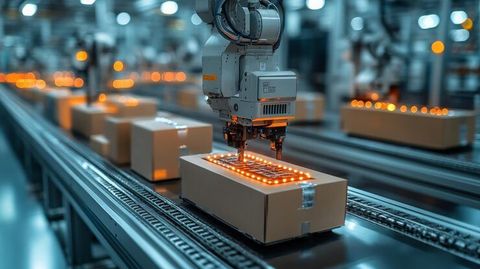
Magnets used in industrial environments are usually stronger and more durable than common household magnets. They are built to handle demanding conditions such as high temperatures, vibration, moisture, and continuous operation.
Industrial magnets exist because industries need safer and more efficient ways to manage metal materials. In factories and processing plants, magnetic systems help reduce manual handling, improve production speed, and support quality control processes.
Today, industrial magnetic applications can be found in:
-
Manufacturing plants
-
Recycling facilities
-
Mining operations
-
Automotive assembly lines
-
Food processing industries
-
Electronics production
-
Renewable energy systems
-
Transportation infrastructure
The growing shift toward automation and smart factories has also increased the use of magnetic sensors, separators, and lifting systems across industrial sectors.
Why Industrial Magnetic Technology Matters
Industrial magnetic systems play a major role in improving operational efficiency and workplace safety. Many industries depend on magnetic solutions to handle heavy materials quickly and accurately.
Key Benefits of Industrial Magnetic Systems
| Industrial Area | Magnetic Application | Main Advantage |
|---|
| Manufacturing | Magnetic conveyors | Faster material movement |
| Recycling | Magnetic separators | Metal recovery efficiency |
| Automotive | Magnetic clamping | Precision assembly |
| Mining | Drum magnets | Mineral separation |
| Warehousing | Magnetic lifting | Reduced manual handling |
| Electronics | Magnetic sensors | Accurate detection systems |
One of the biggest advantages is reduced physical labor. Heavy metal sheets, pipes, and components can be lifted or moved using electromagnetic systems instead of manual methods.
Industrial magnets also help improve workplace safety by reducing direct worker contact with hazardous or sharp metal materials.
Another important benefit is production accuracy. Magnetic positioning systems help machines maintain alignment during automated manufacturing processes.
Industries Most Affected
Several industries rely heavily on industrial magnetic technologies:
Manufacturing Industry
Production facilities use magnetic systems for robotic automation, welding alignment, and conveyor operations.
Recycling Industry
Magnetic separation helps identify and recover ferrous metals from mixed waste streams.
Renewable Energy Sector
Wind turbines and electric motors depend on advanced magnetic components for energy generation.
Transportation Infrastructure
Rail systems and magnetic braking technologies continue to evolve for modern transit applications.
Electronics and Semiconductor Industry
Magnetic sensors are used in precision electronics manufacturing and smart devices.
Recent Updates and Trends in Industrial Magnetic Technology
Industrial magnetic technology has experienced rapid innovation during 2025. Several trends are influencing how industries use magnetic systems.
Growth of Rare Earth Magnet Usage
In 2025, industries continued increasing the use of neodymium magnets because of their strong magnetic performance and compact size. These magnets are widely used in electric vehicles, robotics, and renewable energy equipment.
Expansion of Automation Systems
Smart factories are integrating AI-powered magnetic sensors into industrial equipment. These systems improve predictive maintenance and machine monitoring.
Sustainability and Recycling Initiatives
Many countries introduced updated recycling goals during 2025. Industrial magnetic separators are now more important in recovering reusable metals from electronic waste and industrial scrap.
Electric Vehicle Manufacturing
Electric vehicle production expanded globally in 2025, increasing demand for magnetic motors and electromagnetic components.
Safer Electromagnetic Lifting Equipment
New industrial safety guidelines encouraged manufacturers to improve emergency shutdown systems in electromagnetic lifting devices.
Digital Monitoring Systems
Industrial magnetic equipment now includes:
-
Real-time performance monitoring
-
IoT-enabled diagnostics
-
Remote temperature tracking
-
Automated maintenance alerts
These developments help industries reduce downtime and improve equipment lifespan.
Laws, Regulations, and Government Policies
Industrial magnetic systems are affected by safety, environmental, and manufacturing regulations in many countries.
Workplace Safety Standards
Industrial magnets must comply with workplace safety rules to prevent accidents involving heavy lifting systems and electromagnetic devices.
Common regulations focus on:
-
Safe load limits
-
Electrical protection
-
Emergency stop functions
-
Worker training requirements
-
Equipment inspection procedures
Environmental Regulations
Recycling industries using magnetic separation technologies are often connected to environmental sustainability programs.
Governments in several countries introduced stricter electronic waste recycling targets during 2025, encouraging the use of advanced magnetic recovery systems.
Energy Efficiency Policies
Many industrial nations support energy-efficient manufacturing technologies. Electromagnetic systems with reduced power consumption are increasingly encouraged through industrial modernization programs.
Import and Material Regulations
Rare earth magnetic materials are affected by international trade regulations because some minerals used in magnet production are strategically important.
Industrial Compliance Certifications
Industrial magnetic equipment may require certifications related to:
-
Electrical safety
-
Machinery operation
-
Electromagnetic compatibility
-
Environmental standards
Companies operating in regulated sectors must ensure their magnetic systems comply with local and international guidelines.
Tools and Resources for Industrial Magnetic Technology
Many digital tools and educational resources help engineers, students, and industrial professionals understand magnetic systems.
Simulation Software
Magnetic field simulation software allows engineers to test industrial designs before production.
Popular uses include:
-
Electromagnetic analysis
-
Motor design
-
Magnetic flux calculations
-
Industrial automation planning
Industrial Monitoring Platforms
Modern monitoring systems help track:
-
Equipment temperature
-
Magnetic strength
-
Power consumption
-
System performance
Educational Websites and Research Platforms
Useful resources include:
-
Engineering research journals
-
Industrial automation forums
-
Technical training websites
-
Manufacturing knowledge platforms
Magnetic Field Calculators
Engineers use calculators to estimate:
-
Magnetic force
-
Load capacity
-
Electromagnetic current requirements
-
Field strength performance
CAD and Design Platforms
Computer-aided design software helps create industrial magnetic assemblies for manufacturing environments.
Safety Documentation Templates
Industrial facilities often use templates for:
-
Equipment inspection reports
-
Safety procedures
-
Maintenance schedules
-
Compliance documentation
Industrial Magnetic Technology and Smart Manufacturing
Modern smart factories increasingly rely on magnetic automation systems. Magnetic sensors help machines communicate with industrial control systems in real time.
Advanced manufacturing facilities use industrial magnets for:
-
Automated sorting
-
Robotic gripping
-
Contactless positioning
-
High-speed assembly operations
The integration of AI and machine learning with magnetic equipment is improving manufacturing efficiency across multiple industries.
Factories using predictive maintenance systems can identify potential equipment failures before major downtime occurs.
Challenges Facing Industrial Magnetic Systems
Although industrial magnets offer many advantages, industries also face several challenges.
Rare Earth Supply Concerns
Some powerful industrial magnets require rare earth materials, which may experience supply limitations and market fluctuations.
High Temperature Limitations
Certain magnets lose performance under extreme heat conditions, requiring specialized engineering solutions.
Equipment Maintenance
Industrial electromagnetic systems require regular inspection and calibration for safe operation.
Environmental Disposal
Improper disposal of industrial magnetic materials may create environmental concerns if not managed correctly.
Cybersecurity Risks
Connected industrial monitoring systems may face cybersecurity challenges in smart manufacturing environments.
Frequently Asked Questions
What are industrial magnets used for?
Industrial magnets are used for lifting, separating, detecting, securing, and moving metal materials in manufacturing, recycling, mining, and automation industries.
What is the difference between permanent magnets and electromagnets?
Permanent magnets maintain magnetic force continuously, while electromagnets generate magnetic fields using electrical current and can be turned on or off.
Why are rare earth magnets important in industry?
Rare earth magnets provide strong magnetic performance in compact sizes, making them useful for electric vehicles, robotics, and renewable energy equipment.
Are industrial magnetic systems safe?
Industrial magnetic systems are generally safe when used according to workplace safety regulations and maintenance procedures.
How do magnetic separators work in recycling?
Magnetic separators attract ferrous metals from mixed waste streams, helping recycling facilities recover reusable materials efficiently.
Conclusion
Industrial magnetic technology has become an essential part of modern manufacturing, recycling, transportation, and automation systems. These technologies improve operational efficiency, workplace safety, and material handling processes across many industries.
Recent developments in automation, electric vehicles, smart manufacturing, and sustainability initiatives continue to increase the importance of industrial magnetic systems worldwide.
As industries adopt more advanced digital monitoring and energy-efficient technologies, magnetic equipment will likely remain a critical component of future industrial innovation. Understanding the applications, regulations, tools, and challenges associated with industrial magnetic systems can help organizations and individuals stay informed about this rapidly evolving field.