Laser Cutting Machines Overview: Technology, Safety, and Modern Applications
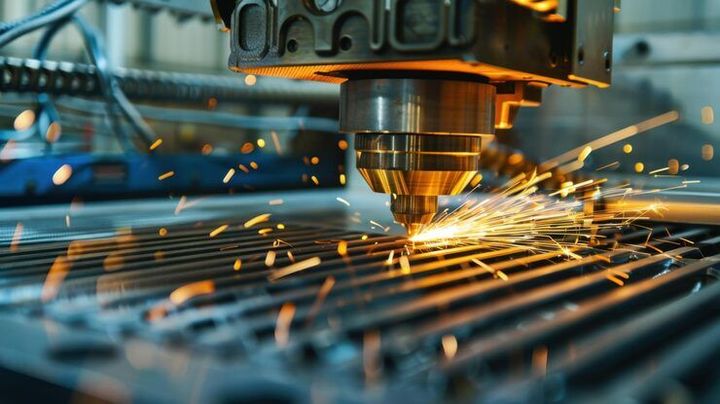
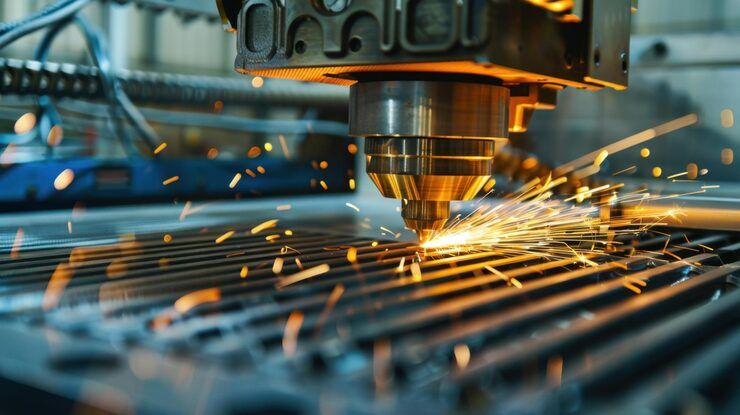
Laser cutting machines are advanced manufacturing systems that use concentrated laser beams to cut, engrave, or shape materials with high precision. These machines are commonly used in industries such as automotive manufacturing, aerospace engineering, electronics, medical equipment production, and metal fabrication.
The technology was developed to improve cutting accuracy while reducing manual effort and material waste. Traditional cutting methods often created uneven edges or required extensive finishing work. Laser systems introduced cleaner cuts, faster production cycles, and better repeatability.
Modern laser cutting machines can process a wide range of materials, including:
- Stainless steel
- Aluminum
- Acrylic
- Carbon steel
- Wood
- Copper
- Plastics
- Composite materials
Today, computer-controlled laser systems are integrated with automation software, smart sensors, and artificial intelligence tools to improve production efficiency.
Why Laser Cutting Machines Matter Today
Laser cutting technology has become important because industries now require higher precision, faster production timelines, and lower material waste. Manufacturing companies rely on automation to remain efficient in competitive global markets.
The growing demand for electric vehicles, renewable energy equipment, and smart electronics has increased the need for precision-cut components. Laser systems help manufacturers create detailed parts with minimal error margins.
Major Benefits of Laser Cutting Technology
| Feature | Industry Benefit |
|---|---|
| High Precision | Produces accurate cuts with minimal defects |
| Automation Compatibility | Supports smart manufacturing systems |
| Reduced Material Waste | Improves sustainability and efficiency |
| Faster Production Speed | Helps industries meet production targets |
| Minimal Physical Contact | Reduces damage to delicate materials |
Laser cutting machines also support environmentally conscious manufacturing practices. Many modern systems are designed to reduce energy consumption and improve production sustainability.
Industries affected by this technology include:
- Automotive manufacturing
- Aerospace engineering
- Construction materials
- Electronics production
- Medical device manufacturing
- Industrial equipment production
Recent Updates in Laser Cutting Technology
The laser cutting industry has experienced several important developments during 2025 and late 2024. Manufacturers are focusing on automation, smart factory integration, and energy-efficient systems.
Artificial Intelligence Integration
Many modern laser systems now use AI-powered monitoring tools that automatically adjust cutting speed, laser intensity, and material positioning. These improvements help reduce production errors and improve machine lifespan.
Fiber Laser Expansion
Fiber laser machines continue replacing older CO2 laser systems in many industries. Fiber lasers are known for:
- Higher energy efficiency
- Faster cutting speeds
- Lower maintenance requirements
- Better performance on reflective metals
In early 2025, several manufacturing technology exhibitions highlighted compact fiber laser systems designed for smaller industrial facilities.
Smart Manufacturing Growth
Industrial automation trends have increased the use of connected laser cutting machines within Industry 4.0 environments. Smart systems can now share real-time production data with factory management platforms.
Sustainability Focus
Manufacturers are also investing in eco-friendly production methods. Some newer laser cutting systems include:
- Energy optimization modes
- Reduced cooling requirements
- Improved material recycling compatibility
- Lower emissions during operation
Global manufacturing reports published in 2025 show increased investment in sustainable industrial technologies, including precision laser systems.
Regulations and Industrial Policies
Laser cutting machines are affected by workplace safety regulations, industrial manufacturing policies, and environmental standards in many countries.
Workplace Safety Standards
Governments and industrial organizations often require manufacturers to follow laser safety regulations because high-powered lasers can create hazards such as:
- Eye injuries
- Heat exposure
- Electrical risks
- Air contamination from material processing
Many countries use workplace standards based on international laser safety classifications. Operators are generally required to use:
- Protective eyewear
- Ventilation systems
- Emergency shutdown controls
- Safety training procedures
Environmental Regulations
Environmental agencies increasingly monitor industrial emissions and energy usage. Laser cutting facilities may need to follow rules related to:
- Air filtration systems
- Waste disposal
- Energy efficiency
- Industrial emissions monitoring
Industrial Automation Policies
Some governments have introduced manufacturing modernization programs to encourage automation and smart factory technologies. These policies often support:
- Digital manufacturing systems
- AI integration
- Industrial robotics
- Energy-efficient production technologies
Countries investing heavily in advanced manufacturing include Germany, Japan, the United States, South Korea, and China.
Helpful Tools and Resources
Several digital tools and educational platforms help businesses and learners understand laser cutting systems more effectively.
Design and CAD Software
Common software platforms used with laser cutting systems include:
- AutoCAD
- SolidWorks
- Fusion 360
- CorelDRAW
- Adobe Illustrator
These programs help create digital cutting designs and machine instructions.
Simulation and Production Tools
Manufacturers often use simulation software to improve production planning and material usage. These tools can estimate:
- Cutting paths
- Material efficiency
- Production speed
- Heat impact zones
Online Learning Platforms
Educational websites and industrial learning portals provide tutorials related to:
- CNC operation
- Laser safety
- CAD design
- Industrial automation
- Manufacturing engineering
Industry Resources
Helpful manufacturing organizations and resources include:
- International Organization for Standardization (ISO)
- Occupational safety agencies
- Manufacturing technology associations
- Engineering research journals
Common Types of Laser Cutting Machines
Different laser systems are designed for different industrial needs.
Fiber Laser Machines
Fiber lasers are widely used for metal cutting applications. They provide excellent cutting speed and precision for industrial manufacturing.
CO2 Laser Machines
CO2 lasers are commonly used for cutting non-metal materials such as wood, acrylic, textiles, and plastics.
Crystal Laser Systems
Crystal lasers can process both metals and non-metals but often require more maintenance than fiber systems.
Challenges in Laser Cutting Operations
Although laser cutting technology provides many advantages, there are also operational challenges.
Energy Consumption
High-powered industrial laser systems may require significant electricity usage, especially in large-scale manufacturing facilities.
Skilled Operation Requirements
Modern laser systems often require trained operators who understand:
- CAD software
- Machine calibration
- Material properties
- Safety standards
Equipment Maintenance
Laser systems contain precision components that must be regularly inspected and maintained to ensure consistent performance.
Future Trends in Laser Cutting Technology
The future of laser cutting technology is closely connected to automation, artificial intelligence, and sustainable manufacturing.
Robotics Integration
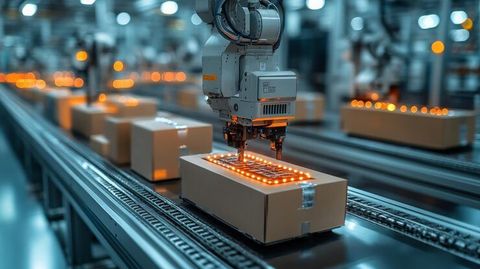
More factories are combining robotic arms with laser systems to create automated production lines capable of continuous operation.
Real-Time Monitoring
Advanced sensors now allow manufacturers to monitor cutting quality in real time, reducing production defects.
Green Manufacturing Technologies
Sustainability goals are encouraging companies to develop machines with:
- Reduced power usage
- Improved recycling efficiency
- Lower environmental impact
Cloud-Based Manufacturing
Some industrial systems now connect to cloud platforms for remote monitoring, predictive maintenance, and production analytics.
Frequently Asked Questions
What is a laser cutting machine used for?
Laser cutting machines are used to cut, engrave, or shape materials with high precision. They are widely used in manufacturing, engineering, electronics, and construction industries.
What materials can laser cutting machines process?
These machines can process metals, plastics, wood, acrylic, composites, and several industrial materials depending on the laser type.
Are laser cutting machines safe?
Yes, but proper safety procedures are necessary. Operators typically use protective equipment, ventilation systems, and emergency controls to reduce risks.
What is the difference between fiber and CO2 lasers?
Fiber lasers are commonly used for metal cutting and offer high efficiency, while CO2 lasers are often used for non-metal materials such as wood and acrylic.
How does automation improve laser cutting systems?
Automation helps improve production speed, reduce errors, monitor machine performance, and support smart manufacturing environments.
Conclusion
Laser cutting machines have become an important part of modern manufacturing and industrial automation. Their ability to produce accurate cuts with minimal waste makes them valuable across many industries, including automotive production, aerospace engineering, electronics, and medical manufacturing.
Recent developments in artificial intelligence, smart factory systems, and sustainable manufacturing continue shaping the future of laser cutting technology. As industries focus on efficiency, precision, and environmental responsibility, laser cutting systems are expected to remain a major part of advanced industrial production worldwide.