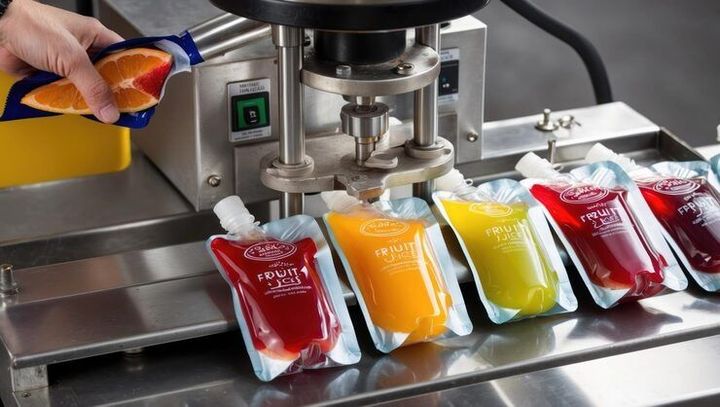
Liquid Sachet Filling Machine: Guide to Sachet and Pouch Packaging Systems
Efficient liquid packaging plays a crucial role in modern manufacturing industries such as food processing, pharmaceuticals, cosmetics, and household chemicals. Compact packaging formats are widely used because they support portion control, transportation efficiency, and shelf convenience. Automated packaging equipment helps manufacturers maintain consistent product quality, improve operational productivity, and manage large-scale production requirements while maintaining hygiene and packaging precision standards.
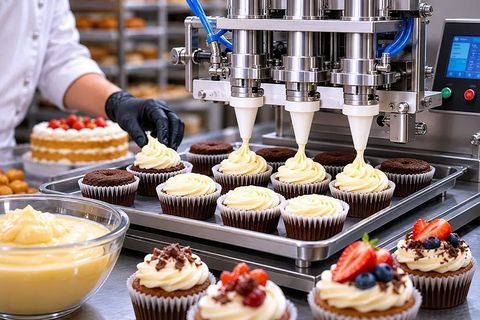
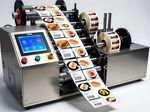
A liquid sachet filling machine is specialized industrial equipment designed to fill measured amounts of liquid products into small flexible sachets made from laminated film materials. The machine automatically performs forming, filling, sealing, and cutting operations in a continuous production cycle. It is widely used in food, pharmaceutical, cosmetic, and chemical manufacturing facilities.
Common applications across industries
- Food manufacturers package sauces, oils, syrups, ketchup, and condiments into compact sachets that allow convenient single-use consumption and efficient distribution across retail and hospitality markets.
- Pharmaceutical companies use small sachets to package oral liquids, nutritional supplements, medicinal syrups, and healthcare products that require accurate dosing and hygienic packaging environments.
- Cosmetic manufacturers fill shampoo, lotion, conditioner, serum, and skincare products into travel-size sachets used for sampling programs, promotional distribution, and compact retail packaging.
- Household chemical manufacturers use sachets for detergents, liquid cleaners, disinfectants, and industrial solutions that require safe storage, measured usage, and easy transportation.
- Industrial packaging lines often integrate downstream automation, such as a robotic case packer, to organize finished sachets into cartons for shipping and logistics management.
Why Industries Use Sachet and Pouch Packaging Systems?
Flexible packaging formats such as sachets and pouches offer multiple operational advantages for manufacturers across production sectors.
- Flexible packaging reduces material consumption compared with rigid containers, helping manufacturers manage transportation efficiency while supporting compact storage and convenient retail distribution formats across global markets.
- Portion-controlled packaging allows accurate dosing of liquid products, supporting customer convenience while reducing product wastage in food service, pharmaceutical distribution, hospitality operations, and household consumer use.
- High-speed packaging machines allow manufacturers to scale production efficiently while maintaining consistent packaging quality and meeting large distribution requirements in commercial and industrial supply chains.
- Flexible sachets and pouches improve portability and convenience for consumers, especially in travel-size products, promotional samples, and single-use packaging solutions used in retail markets.
- Integrated automation with packaging lines allows finished products to move directly to case packing and palletizing equipment, such as a robotic case packer, improving logistics efficiency.
How a Sachet Packaging Machine Works?
A sachet packaging machine operates through an automated process that converts roll film into filled and sealed sachets through sequential mechanical and electronic operations.
Standard packaging process
- Film rolls are mounted onto the machine and gradually fed through guiding rollers, where sensors monitor alignment to maintain stable packaging material positioning during high-speed production cycles.
- The packaging film is folded and sealed to create vertical or horizontal tubes that form the basic sachet structure before the filling process begins.
- Metering pumps measure precise volumes of liquid and dispense them into the formed sachets, ensuring each packet contains consistent product quantities during continuous packaging operations.
- Heat sealing components close the sachet edges using controlled temperature and pressure settings that maintain strong packaging seals while protecting product integrity and shelf stability.
- Finished sachets are cut and discharged onto conveyors, where automated inspection, counting systems, or a robotic case packer organize packages into shipping cartons.
Key Features of Modern Packaging Machines
Modern packaging equipment incorporates multiple technical features designed to support high production efficiency and operational reliability.
- Programmable logic controllers and touchscreen interfaces allow operators to monitor production parameters, adjust filling volumes, and control machine settings efficiently during continuous industrial packaging operations.
- Multi-lane production capabilities allow a single sachet-filling machine to produce multiple sachets simultaneously, significantly increasing production output for high-demand manufacturing environments.
- Stainless steel machine construction supports hygienic operation and compliance with industrial sanitation standards required in food processing, pharmaceutical manufacturing, and cosmetic production facilities.
- Precision dosing pumps ensure accurate liquid measurement during filling processes, maintaining consistent product quantity across thousands of sachets produced in high-speed packaging operations.
- Integration capability allows packaging machines to connect with labeling units, conveyors, and automation systems such as a robotic case packer for complete packaging line efficiency.
Types of Sachet and Pouch Packaging Machines
Different production environments require different machine designs depending on packaging format, product viscosity, and output capacity requirements.
- Vertical form fill seal systems create sachets by forming packaging film into vertical tubes before filling liquid products and sealing the packets in continuous automated packaging cycles.
- Horizontal form fill seal machines produce larger pouch formats by forming packages horizontally, making them suitable for products requiring wider packaging space or complex pouch designs.
- A pouch filling machine fills pre-manufactured pouches with liquid products before sealing them, commonly used when packaging materials are produced separately from filling operations.
- Multi-lane sachet packaging machines produce several sachets simultaneously across multiple channels, significantly increasing output capacity for industries requiring large-scale packaging production.
- Integrated packaging lines combine a pouch packing machine with inspection units, conveyors, and a robotic case packer to automate secondary packaging and logistics processes.
Benefits of Automated Sachet and Pouch Packaging
Automated packaging systems provide operational advantages for manufacturers managing large-scale production requirements.
- Automated systems reduce manual handling requirements in production facilities, improving operational efficiency while maintaining consistent packaging output during continuous manufacturing cycles.
- High-speed machines allow manufacturers to package thousands of units per hour, supporting large distribution networks and commercial supply chain demands.
- Flexible packaging systems allow manufacturers to adjust sachet size, fill volume, and packaging materials depending on product characteristics and market requirements.
- Compact packaging formats reduce transportation space requirements, allowing companies to ship larger product quantities while minimizing logistics costs.
- Integration with automation technologies, such as a robotic case packer, supports streamlined end-of-line packaging and improves warehouse logistics efficiency.
Factors Influencing Machine Selection
Selecting appropriate packaging equipment requires evaluating several operational and technical factors.
- Production capacity requirements determine whether manufacturers need single-lane machines, multi-lane systems, or integrated packaging lines capable of supporting large-scale industrial manufacturing operations.
- Liquid product characteristics such as viscosity, density, and foaming behavior influence dosing system selection and filling accuracy requirements during packaging processes.
- Packaging material compatibility ensures machines can operate effectively with laminated films, plastic pouches, and other flexible materials used in industrial packaging applications.
- Automation level determines whether facilities require standalone machines or fully integrated packaging systems connected with conveyors, inspection systems, and case packing automation.
- Maintenance accessibility and operator training requirements influence long-term operational reliability and production efficiency in manufacturing environments.
Top Packaging Machine Companies Supplying the UAE Market
Several global and regional manufacturers supply packaging machines used across manufacturing industries in the UAE and the Middle East.
- Syntegon Technology supplies industrial packaging equipment, including automated sachet packaging systems and liquid filling machines used in food processing and pharmaceutical production environments.
- IMA Group manufactures packaging systems designed for the pharmaceutical, food, and cosmetic industries, requiring precise liquid filling and flexible packaging automation.
- ProMach provides integrated packaging lines that combine filling equipment, pouch packaging machines, and robotic automation systems for secondary packaging operations.
- Nichrome Packaging Solutions produces industrial sachet filling machines and pouch packing machines widely used in food and beverage packaging operations.
- Gulf Packaging Machines supplies packaging equipment and automation solutions to manufacturing companies operating across the UAE industrial sectors.
Cost Considerations
Packaging equipment costs vary depending on machine configuration, automation level, and production capacity.
- Entry-level sachet filling machine models suitable for small-scale production typically range between USD 8,000 and USD 20,000, depending on automation features and machine capacity.
- Multi-lane sachet packaging machines designed for high-volume manufacturing operations may range between USD 25,000 and USD 70,000, depending on production speed and technical features.
- Industrial pouch filling machines designed for larger packaging formats generally cost between USD 30,000 and USD 100,000, depending on automation level and machine specifications.
- Fully integrated packaging lines, including conveyors, inspection systems, and a robotic case packer, may range from USD 120,000 to USD 300,000 or more.
- Additional operational costs may include installation services, spare parts, operator training, and preventive maintenance contracts required for long-term machine performance.
How to Choose the Right Packaging Machine?
Selecting suitable packaging equipment depends on production needs and product characteristics.
- Production output requirements determine whether manufacturers require single-lane machines for moderate output or multi-lane systems designed for high-volume packaging operations.
- Packaging format preferences, such as sachets, stand-up pouches, or pre-made pouches, influence the selection between sachet-filling machines and pouch-filling machines.
- Liquid product viscosity determines appropriate dosing technologies, ensuring filling accuracy and consistent packaging quality during industrial production.
- Automation requirements influence whether companies invest in standalone machines or complete packaging lines, including conveyors and robotic automation.
- Long-term operational costs, including maintenance, energy consumption, and spare parts availability, influence machine selection decisions.
Installation and Maintenance Tips
Proper installation and maintenance practices support consistent machine performance and operational efficiency.
- Routine calibration of dosing systems ensures accurate liquid filling volumes and consistent product quantity across large packaging batches.
- Regular inspection of sealing components helps maintain strong package integrity and prevents leakage or packaging defects during production operations.
- Operator training programs improve machine handling efficiency while reducing operational errors and production downtime in manufacturing facilities.
- Scheduled preventive maintenance helps identify mechanical wear early and supports long-term reliability of packaging equipment.
- Integration testing ensures machines operate smoothly with conveyors, inspection units, and automated case packing systems, such as a robotic case packer.
Modern Trends in Sachet and Pouch Packaging Technology
Packaging technology continues evolving as manufacturers adopt automation and smart production systems.
- Robotics integration enables automated secondary packaging processes where finished sachets are organized and packed into cartons using advanced robotic case packing systems.
- Smart manufacturing technologies allow packaging machines to monitor production data, detect errors, and improve operational efficiency through digital monitoring systems.
- Sustainable packaging materials are increasingly used to reduce environmental impact while maintaining protective barrier properties required for liquid products.
- High-speed multi-lane packaging machines support large production volumes required by global food and consumer goods manufacturers.
- Flexible packaging designs allow manufacturers to produce different pouch shapes and sizes while maintaining efficient automated production processes.
What products can be packed using a liquid sachet filling machine?
Liquid sachet machines are used for packaging sauces, syrups, oils, shampoos, lotions, pharmaceutical liquids, detergents, and cleaning solutions into small single-use, flexible packets.
What is the difference between a sachet filling machine and a pouch filling machine?
A sachet filling machine typically produces smaller packets formed from roll film, while a pouch filling machine fills larger pre-made pouches designed for bigger product volumes.
How fast can a sachet packaging machine operate?
Production speed varies depending on machine configuration, but high-speed multi-lane machines may produce several hundred sachets per minute in industrial packaging facilities.
What role does a robotic case packer play in packaging lines?
A robotic case packer automatically organizes finished sachets or pouches into cartons, improving secondary packaging efficiency and supporting automated logistics operations.
Conclusion
Modern manufacturing industries rely on advanced packaging technology to support efficient production and distribution. Automated packaging equipment helps companies maintain product consistency, manage high-volume output, and streamline logistics processes. As packaging formats continue evolving, manufacturers increasingly integrate automation systems and robotics into production environments to improve operational performance and support growing global market demands.