Modern Rolling Machine Guide: Understanding Industrial Forming and Metal Shaping Processes
Metal shaping has played an important role in manufacturing for centuries.
From simple hand-operated tools used in early workshops to highly automated industrial systems, the process of changing the shape and thickness of metal has evolved significantly. One of the most important technologies in this field is the modern rolling machine, which helps transform raw metal into usable forms for construction, transportation, infrastructure, energy systems, and consumer products.
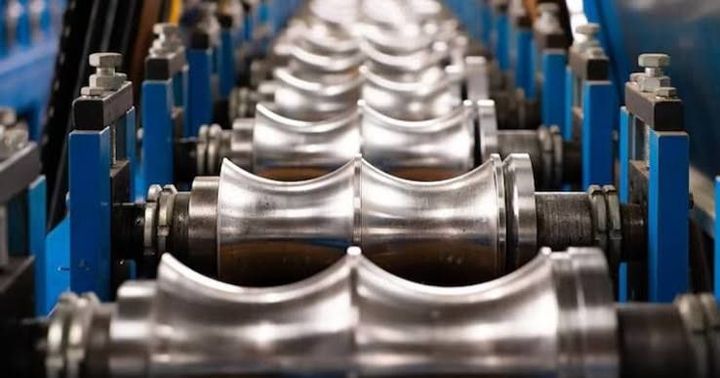
A modern rolling machine works by passing metal through one or more sets of rollers. The pressure applied by these rollers changes the shape, thickness, or profile of the material. This process allows manufacturers to produce sheets, plates, bars, and structural components with consistent dimensions.
The development of the industrial rolling machine was driven by the growing need for efficient metal production during industrial expansion. As industries required larger quantities of steel and other metals, more advanced rolling mill machinery was developed to improve accuracy, productivity, and material quality.
Today, metal rolling machines are found in manufacturing facilities around the world. They are used to process various materials, including steel, aluminum, copper, and specialized alloys. Depending on the application, different systems such as a sheet metal rolling machine, plate rolling machine, or hydraulic rolling machine may be used.
How Rolling Machines Work
The basic principle of rolling involves compressing metal between rotating rollers. As the material passes through the rollers, its thickness is reduced or its shape is modified.
Common rolling operations include:
- Thickness reduction of metal sheets
- Forming cylindrical and curved shapes
- Producing structural steel sections
- Creating metal coils and strips
- Manufacturing pipes and tubes
Modern systems often include automated controls that monitor pressure, speed, and alignment to maintain consistent results.
Types of Rolling Machines
Several categories of rolling equipment are used across industries:
| Rolling Machine Type | Primary Function |
|---|---|
| Sheet Metal Rolling Machine | Forms and bends thin metal sheets |
| Plate Rolling Machine | Shapes thick metal plates into curves or cylinders |
| Hydraulic Rolling Machine | Uses hydraulic systems for controlled pressure |
| Automatic Rolling Machine | Performs rolling operations with automated controls |
| Heavy Duty Rolling Machine | Handles large-scale industrial materials |
| Precision Rolling Equipment | Produces accurate dimensions and finishes |
Each type is designed for specific production requirements and material characteristics.
Importance
Rolling technology remains a key part of modern manufacturing because it enables efficient production of metal products used in everyday life. Buildings, bridges, vehicles, appliances, and industrial equipment often contain components created through rolling processes.
Supporting Infrastructure Development
Many infrastructure projects rely on steel processing machinery and rolling systems. Structural beams, steel plates, pipelines, and transportation components are commonly produced through rolling operations.
The ability to manufacture large quantities of metal with consistent dimensions helps support construction and engineering projects that require standardized materials.
Improving Material Utilization
Rolling processes help manufacturers achieve desired dimensions while minimizing unnecessary material removal. Unlike some machining methods that cut away significant amounts of metal, rolling reshapes the material directly.
This approach can help reduce waste and improve production efficiency.
Meeting Industry Requirements
Different industries have unique material requirements. Automotive manufacturers may need lightweight metal sheets, while shipbuilding facilities often require thick rolled plates.
Industrial metal forming equipment provides flexibility to produce a wide range of products for different applications.
Enhancing Product Consistency
Modern control systems allow rolling operations to maintain precise measurements and surface quality. Precision rolling equipment can produce components that meet strict dimensional requirements, which is important in industries where accuracy affects safety and performance.
Supporting Large-Scale Production
Rolling technology enables continuous production of metal products. Large steel rolling mill equipment can process significant volumes of material, making it possible to meet the demands of modern manufacturing and infrastructure development.
Recent Updates
The rolling industry continues to evolve as manufacturers seek improved efficiency, automation, and sustainability. Several trends have shaped the development of rolling mill machinery in recent years.
Increased Automation
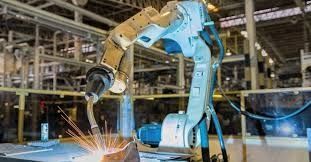
The use of automatic rolling machine systems has become more common. Automated controls help regulate roller pressure, speed, and positioning while reducing manual intervention.
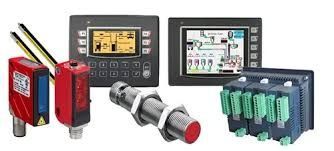
Sensors and digital monitoring systems provide real-time data that can improve process consistency and equipment performance.
Integration of Smart Manufacturing
Many facilities are incorporating digital technologies into steel processing machinery. Connected equipment can collect operational information and support predictive maintenance strategies.
These systems help operators identify potential issues before they affect production.
Energy Efficiency Improvements
Manufacturers are placing greater emphasis on reducing energy consumption. New rolling equipment designs often include more efficient motors, hydraulic systems, and process controls.
Energy-efficient technologies support broader industrial efforts to improve resource utilization.
Advanced Material Processing
As industries adopt new alloys and specialized metals, rolling equipment continues to adapt. Modern industrial rolling machine systems are increasingly capable of handling materials with varying strength and performance characteristics.
This flexibility supports applications in transportation, renewable energy, and advanced manufacturing.
Enhanced Precision Technologies
Developments in measurement systems and automated adjustments have improved dimensional accuracy. Precision rolling equipment can now achieve tighter tolerances than many earlier generations of machinery.
These improvements are particularly valuable in sectors where component consistency is important.
Laws or Policies
The operation and manufacturing of rolling machinery are influenced by various regulations and standards. These rules help support workplace safety, environmental protection, and product quality.
Workplace Safety Requirements
Industrial facilities operating rolling equipment are generally required to follow occupational safety regulations. These regulations may address:
- Machine guarding
- Emergency stop systems
- Worker training
- Personal protective equipment
- Hazard identification procedures
Compliance helps reduce workplace risks associated with heavy industrial machinery.
Environmental Regulations
Metal processing facilities are often subject to environmental requirements related to emissions, waste management, and energy use.
Government agencies may establish limits and reporting requirements designed to reduce environmental impact.
Product Quality Standards
Industries such as construction, transportation, and energy frequently require metal products to meet established standards. Rolling operations must produce materials that comply with specifications for dimensions, strength, and performance.
Equipment Certification
Some regions require industrial equipment to meet technical and safety standards before installation and operation. Certification processes help verify that machinery satisfies applicable requirements.
Industrial Modernization Programs
Various countries support manufacturing modernization through industrial development initiatives. These programs may encourage the adoption of advanced technologies, automation systems, and energy-efficient production equipment.
Tools and Resources
Several tools and resources help professionals understand, evaluate, and manage rolling operations.
Engineering Software
Computer-aided design and simulation platforms allow engineers to model rolling processes before production begins. These tools help evaluate material behavior and equipment requirements.
Examples include:
- CAD software
- Finite element analysis platforms
- Manufacturing simulation tools
- Production planning systems
Material Property Databases
Engineers often use material databases to review information about metal grades, mechanical properties, and processing characteristics.
These resources help support equipment selection and production planning.
Industry Standards Organizations
Standards organizations publish technical guidelines related to steel processing machinery and industrial metal forming equipment.
Common resources include:
- International standards publications
- Manufacturing industry associations
- Engineering reference documents
- Technical specification libraries
Production Monitoring Platforms
Digital monitoring systems provide information about equipment performance and process conditions. These platforms can track:
- Production output
- Machine utilization
- Energy consumption
- Maintenance schedules
- Process quality indicators
Technical Calculators
Industrial professionals often use calculators for rolling force estimation, material thickness reduction, and production planning. These tools support process analysis and operational decision-making.
FAQs
What is a modern rolling machine?
A modern rolling machine is industrial equipment that shapes metal by passing it through rollers. It is commonly used to reduce thickness, create curves, and produce standardized metal products for manufacturing and construction applications.
How does an industrial rolling machine differ from older systems?
An industrial rolling machine typically incorporates automated controls, digital monitoring, and improved precision technologies. These features help improve consistency, efficiency, and operational control compared with many earlier mechanical systems.
What is the purpose of a plate rolling machine?
A plate rolling machine is designed to bend and shape thick metal plates into cylindrical or curved forms. It is commonly used in industries that manufacture tanks, pressure vessels, and large structural components.
Where is steel rolling mill equipment used?
Steel rolling mill equipment is used in steel production facilities and manufacturing plants. It processes raw steel into sheets, plates, bars, coils, and structural products used across numerous industries.
What are the advantages of hydraulic rolling machine systems?
Hydraulic rolling machine systems provide controlled force application and precise adjustments during metal forming operations. This capability supports accurate shaping of materials with varying thicknesses and mechanical properties.
Conclusion
Rolling technology remains a fundamental part of modern manufacturing and metal processing. From a simple sheet metal rolling machine to advanced automatic rolling machine systems, rolling equipment helps transform raw materials into products used throughout daily life. Ongoing developments in automation, precision, and efficiency continue to shape the evolution of rolling mill machinery. Understanding the role of industrial rolling machine technology provides valuable insight into how modern industries produce and shape metal materials for a wide range of applications.