Road Marking Machines Guide: Overview and Insights for Modern Road Safety Systems
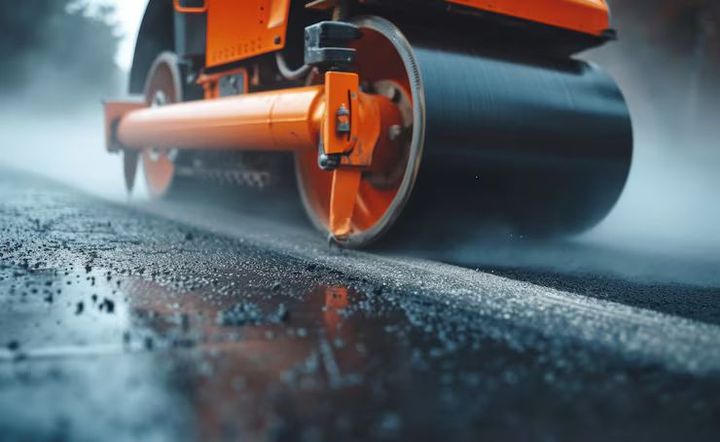
Road marking machines are specialized equipment used to apply lines, symbols, and markings on roads, highways, parking lots, and other surfaces. These markings help organize traffic flow, improve safety, and guide drivers and pedestrians. The machines are designed to apply paint, thermoplastic materials, or other marking substances with precision and durability.
The concept of road marking dates back to early traffic systems, but modern machines have evolved significantly. Today’s equipment includes automated and GPS-enabled systems that ensure accuracy and efficiency in large-scale infrastructure projects.
Road marking machines are designed to create standardized and visible road communication systems. These systems help reduce confusion, improve navigation, and minimize accidents across different types of roads.
They are widely used in urban planning, highways, airport runways, and industrial zones. Their role is essential in maintaining organized transportation networks in both developed and developing regions.
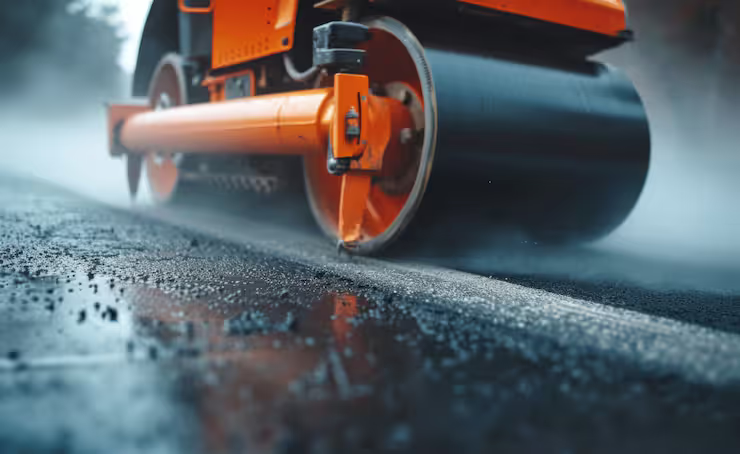
Importance of Road Marking Machines in Modern Infrastructure
Road marking machines play a key role in ensuring road safety and efficient traffic flow. With increasing vehicle density, clear and visible markings have become more important than ever.
Who Benefits from Road Markings
Several groups rely on proper road markings for safety and navigation:
- Drivers use lane markings and symbols for guidance
- Pedestrians depend on crossings and safety zones
- Traffic authorities manage organized road systems
- Urban planners design efficient transportation networks
Key Problems They Solve
Road marking machines help address multiple infrastructure challenges:
- Traffic congestion: Improves movement efficiency with clear lanes
- Accident reduction: Minimizes confusion and collisions
- Night visibility: Reflective materials enhance low-light visibility
- Standardization: Ensures consistent road understanding across regions
These machines also support smart city initiatives and intelligent transportation systems. As a result, they contribute to safer and more efficient roads.
Key Types of Road Marking Machines
Understanding the types of road marking machines helps in selecting the right equipment for specific applications. Each type is designed based on scale, durability, and environmental conditions.
Machine Types and Applications
| Machine Type | Description | Common Use Case |
|---|---|---|
| Manual Machines | Operated by hand, simple and portable | Small roads, parking areas |
| Semi-Automatic Machines | Assisted operation with moderate automation | Urban roads |
| Fully Automatic Machines | Advanced systems with high precision | Highways and large projects |
| Thermoplastic Machines | Apply durable heated materials | Long-lasting road markings |
| Cold Paint Machines | Use standard paint for temporary markings | Short-term or maintenance work |
Each machine type serves a specific purpose depending on project requirements and durability needs.
Recent Updates and Trends in Road Marking Technology
Technological advancements in 2024 and 2025 have significantly improved the capabilities of road marking machines. These innovations focus on automation, sustainability, and precision.
Key Trends
- Automation and AI Integration (2024): Improves accuracy and reduces human error
- Eco-Friendly Materials (2025): Promotes sustainability with low environmental impact
- Smart Road Systems (2024–2025): Aligns markings with real-time traffic data
- Enhanced Reflectivity Standards (2024): Improves visibility in rain and at night
- GPS-Based Line Marking (2025): Ensures precise and consistent long-distance markings
These trends highlight the growing importance of safety, efficiency, and environmental responsibility in infrastructure development.
Laws and Policies Related to Road Marking Machines
Road marking machines and their outputs are governed by national and international standards. These regulations ensure consistency, safety, and quality in road infrastructure.
Key Regulatory Bodies in India
- Indian Roads Congress (IRC): Provides standards such as IRC:35
- Ministry of Road Transport and Highways (MoRTH): Sets technical specifications
- Bureau of Indian Standards (BIS): Defines material quality standards
- Smart Cities Mission: Encourages adoption of advanced technologies
Regulatory Requirements
- Minimum reflectivity levels
- Standard colors and symbols
- Durability specifications
- Environmental compliance
Globally, organizations like ISO and regional transport authorities also influence road marking practices.
Tools and Resources for Road Marking Systems
Various tools and resources support the planning, implementation, and maintenance of road marking systems. These tools help professionals make informed decisions and improve efficiency.
Digital Tools and Software
- Road design and simulation software
- Traffic planning applications
- GPS mapping tools
Technical Resources
- Engineering manuals and guidelines
- Standard specification documents
- Infrastructure planning templates
Educational Platforms
- Online courses in civil engineering
- Traffic management training programs
- Research publications
Data and Monitoring Tools
- Traffic analysis dashboards
- Road condition monitoring systems
- Maintenance tracking tools
These resources enhance the effectiveness of road marking operations and long-term infrastructure planning.
Performance Factors of Road Marking Machines
The performance of road marking machines depends on several key factors. Understanding these elements helps improve efficiency and durability.
Performance Comparison Table
| Factor | Impact on Performance |
|---|---|
| Material Quality | Determines durability and visibility |
| Machine Precision | Affects accuracy of markings |
| Weather Conditions | Influences application and drying time |
| Operator Skill | Impacts consistency and efficiency |
| Maintenance Level | Ensures long-term functionality |
Proper evaluation of these factors ensures better outcomes in road marking projects.
Frequently Asked Questions
What are road marking machines used for?
They are used to apply lines, symbols, and markings on roads. These markings guide traffic and improve overall safety.
What materials do these machines use?
Common materials include thermoplastic compounds, cold paint, and reflective coatings. These materials vary based on durability and application needs.
How do road markings improve safety?
They provide clear visual guidance to drivers and pedestrians. This reduces confusion and helps maintain proper lanes and distances.
Are road marking machines automated?
Yes, many modern machines include automation features. These include GPS guidance and sensor-based controls for better accuracy.
What affects the durability of road markings?
Durability depends on material quality, traffic volume, weather conditions, and application methods. Proper maintenance also plays a role.
Conclusion
Road marking machines are a vital part of modern transportation infrastructure. They ensure roads are organized, safe, and easy to navigate for all users.
With continuous technological advancements, these machines have become more precise and efficient. They also support environmentally friendly practices and smart city development.
As urbanization increases, their importance will continue to grow. Understanding their functions, types, and regulations helps in building safer and smarter road networks worldwide.