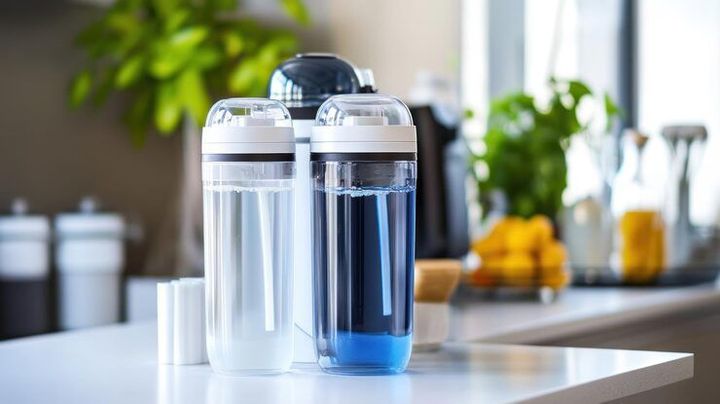
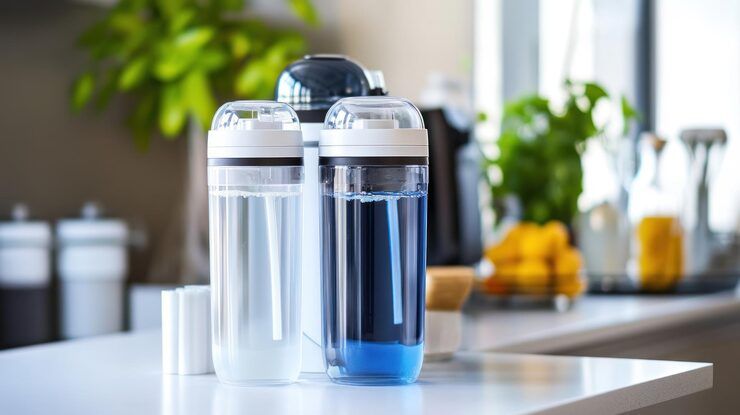
Water filtration bottles are reusable containers designed to improve drinking water quality using built-in filtration systems. These bottles help remove contaminants and make water safer for consumption in various environments.
They typically use technologies such as activated carbon filters, membrane filtration, or UV purification systems. Common materials include BPA-free plastic, stainless steel, and glass.
Key Contaminants Removed
Different filters target different impurities, depending on the technology used. Common contaminants include:
-
Chlorine and unpleasant taste
-
Sediment and microplastics
-
Bacteria and protozoa
-
Heavy metals (in advanced models)
Water filtration bottles are widely used by travelers, students, outdoor enthusiasts, and urban residents seeking additional water safety.
Importance: Why Water Filtration Bottles Matter Today
Access to safe drinking water remains a concern globally, even in urban areas. Aging infrastructure, pollution, and environmental changes have increased awareness about water quality.
Water filtration bottles help address several modern challenges:
-
Increased awareness of contaminants like lead and microplastics
-
Reduction of single-use plastic waste
-
Safe hydration during travel
-
Preparedness during emergencies or disruptions
Comparison: Regular vs Filtration Bottles
| Aspect | Regular Bottle | Filtration Bottle |
|---|
| Water purification | Not available | Built-in filtration |
| Environmental impact | Reusable | Reusable + reduces waste |
| Safety assurance | Depends on source | Improves water quality |
| Travel use | Limited | Highly practical |
In countries like India, where water quality varies, these bottles are useful for commuting, education, and outdoor activities.
Recent Updates: Trends and Developments in 2025
The water filtration bottle market has evolved with technological advancements and growing consumer awareness.
Key Trends
-
Smart filtration tracking with digital indicators or app integration
-
Improved microplastic filtration systems
-
Integration of UV-C purification for microbial safety
-
Use of recycled materials and eco-friendly packaging
Filtration Effectiveness by Technology
| Filtration Type | Removes Bacteria | Removes Chemicals | Removes Microplastics |
|---|
| Activated Carbon | No | Yes | Partial |
| Hollow Fiber | Yes | No | Yes |
| UV-C Purification | Yes | No | No |
| Multi-stage Filter | Yes | Yes | Yes |
These developments reflect a shift toward multifunctional and sustainable product design.
Laws or Policies: Regulations Affecting Water Filtration Bottles
Water filtration bottles are influenced by broader safety and consumer protection regulations. While not as strictly regulated as municipal systems, certain standards apply.
Regulations in India
-
Bureau of Indian Standards (BIS): IS 10500:2012 for drinking water quality
-
Food Safety and Standards Authority of India (FSSAI): Material safety standards
-
Environmental policies encouraging reduced plastic use
Global Standards
-
NSF International (USA): Certification for filtration safety and performance
-
European Union Drinking Water Directive: Quality benchmarks influencing design
Users should check certifications to ensure product reliability and safety.
Tools and Resources: Helpful Platforms and Utilities
Several tools help users evaluate water quality and make informed decisions about filtration.
Useful Resources
-
Water quality apps providing local safety data
-
Government portals with water reports
-
Filter replacement trackers and reminders
-
Educational websites on contaminants and filtration
Evaluation Checklist
| Criteria | What to Check |
|---|
| Filter type | Carbon, membrane, UV, or combination |
| Certification | BIS, NSF, or equivalent |
| Capacity | Daily use or travel suitability |
| Maintenance | Ease of cleaning and replacement |
| Durability | Material strength |
Using these tools improves both safety and user experience.
FAQs: Common Questions About Water Filtration Bottles
What contaminants can a water filtration bottle remove?
Most bottles remove chlorine, sediment, and some bacteria. Advanced models can also reduce heavy metals and microplastics.
Can filtered water bottles make any water safe to drink?
Not always. They improve water quality but may not eliminate all viruses or chemicals.
How often should the filter be replaced?
Filter lifespan typically ranges from 100 to 300 liters, depending on usage and brand.
Are water filtration bottles safe for daily use?
Yes, if properly maintained with regular cleaning and timely filter replacement.
Do these bottles help reduce plastic waste?
Yes. They reduce reliance on single-use plastics and promote sustainable habits.
Conclusion: Key Takeaways and Practical Advice
Water filtration bottles provide a convenient and portable solution for improving access to safer drinking water. They are suitable for daily use, travel, and emergency situations.
Their importance is growing due to increased awareness of water quality and environmental sustainability. Advances like smart tracking and improved filtration have enhanced their usability.
However, users should understand their limitations and maintain them properly. Choosing certified products and using reliable tools can help ensure safe and effective use.