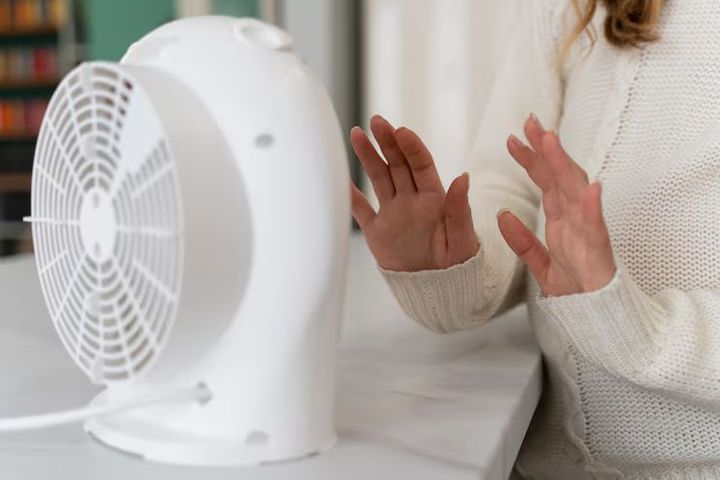
The technology exists because many tasks require controlled heat for drying, shaping, softening, shrinking, sterilizing, or removing materials. Unlike open flames, hot air blowers provide focused heating with better control and lower direct fire risks.
Today, modern hot air blowers include digital temperature settings, safety shutoff systems, airflow control, and energy-efficient designs. Their versatility makes them useful in both industrial and consumer applications.
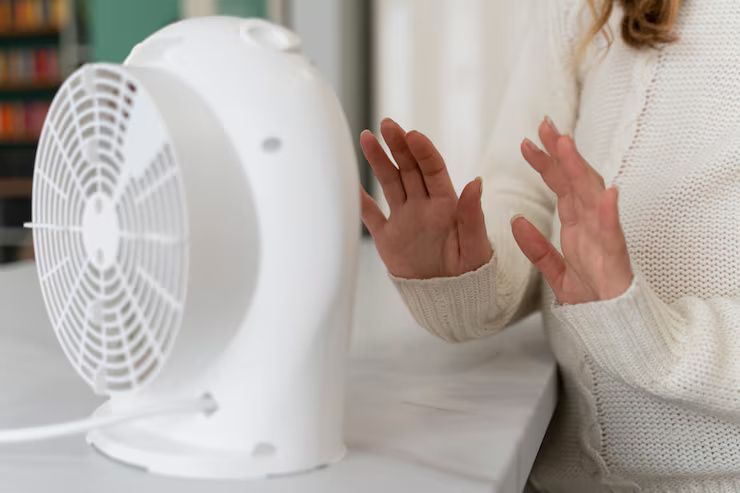
Why Hot Air Blowers Matter Today
Hot air blowers have become increasingly important because industries now require precise heat control and safer heating methods. Many businesses and technical professionals depend on these tools for daily operations.
Common Problems Solved by Hot Air Blowers
-
Drying painted or coated surfaces
-
Removing old adhesives or labels
-
Heat shrinking electrical tubing
-
Softening plastic materials
-
Supporting packaging processes
-
Assisting electronic repair work
-
Preventing moisture buildup in equipment
The importance of hot air blowers has grown alongside manufacturing automation, electronics production, and energy-efficiency awareness.
Industries That Frequently Use Hot Air Blowers
| Industry | Common Application | Benefit |
|---|
| Construction | Paint drying and material shaping | Faster project completion |
| Electronics | Circuit board repair | Controlled heating |
| Automotive | Vinyl wrapping and adhesive work | Precision handling |
| Packaging | Shrink wrapping | Secure packaging |
| Textile | Fabric drying | Improved efficiency |
| Laboratory | Controlled airflow heating | Accurate temperature management |
In households, hot air blowers are also used for DIY repairs, craft activities, and maintenance tasks.
Recent Trends and Technology Updates in 2025
The hot air blower market has changed significantly during the past year due to advancements in energy efficiency and smart temperature systems.
Energy-Efficient Heating Systems
During 2025, manufacturers increasingly introduced ceramic heating elements that improve heat distribution while reducing power consumption. These systems also help extend device lifespan.
Smart Temperature Controls
Recent models now include:
-
Digital displays
-
Automatic heat adjustment
-
Overheating protection
-
Variable airflow settings
-
Memory temperature presets
These improvements help users achieve more accurate results and reduce operational risks.
Lightweight Industrial Designs
Many industrial hot air blowers released in late 2024 and early 2025 focus on portability. Compact designs are becoming popular in construction and maintenance environments because workers need easier handling during long operations.
Sustainability and Environmental Focus
Environmental regulations have encouraged manufacturers to reduce energy waste and improve recyclable component usage. Several global appliance companies announced eco-focused heating technologies in 2025 aimed at lowering carbon emissions.
Growth in Electronics Repair Applications
The rise of smartphone, computer, and appliance repair industries has increased demand for precision hot air blowers with adjustable airflow systems.
Government Rules and Safety Regulations
Hot air blowers are affected by safety standards and electrical regulations in many countries. These policies exist to reduce fire hazards, electrical accidents, and workplace injuries.
Electrical Safety Standards
Many countries require compliance with standards related to:
-
Voltage safety
-
Insulation protection
-
Temperature limits
-
Short-circuit prevention
-
Grounding systems
Organizations such as the International Electrotechnical Commission (IEC) and national safety authorities establish guidelines for electrical heating devices.
Workplace Safety Policies
Industrial workplaces often require operators to follow safety procedures when using heating tools. These policies may include:
-
Protective gloves and eyewear
-
Ventilation requirements
-
Heat exposure limits
-
Equipment maintenance inspections
Environmental and Energy Policies
Governments in several regions have introduced energy-efficiency policies encouraging reduced electricity consumption in industrial heating systems.
In India, electrical appliance regulations are influenced by standards developed through the Bureau of Indian Standards (BIS). Similar frameworks exist in Europe, North America, and Asia-Pacific regions.
Important Features to Understand
Understanding key features helps users choose the right hot air blower for different tasks.
Temperature Range
Different projects require different heat levels. Some materials need low temperatures, while industrial tasks may require much higher heating output.
Airflow Control
Airflow adjustment affects heating precision. Lower airflow is useful for delicate electronic components, while higher airflow supports industrial drying.
Safety Protection
Modern hot air blowers often include:
-
Auto shutoff systems
-
Heat-resistant handles
-
Overload protection
-
Cooling modes
These features reduce the risk of overheating and improve operational safety.
Noise Reduction Technology
Newer devices focus on quieter motor systems, especially for indoor and laboratory environments.
Helpful Tools and Resources
Several digital resources and tools help users understand hot air blower performance, electrical requirements, and safety practices.
Useful Online Resources
-
Manufacturer specification websites
-
Electrical load calculators
-
Temperature conversion tools
-
Industrial safety training platforms
-
Equipment maintenance checklists
Helpful Digital Tools
-
Energy consumption calculators
-
Airflow measurement applications
-
Voltage monitoring tools
-
Heat resistance material guides
Educational Platforms
Many technical training websites provide tutorials on:
-
Heat gun safety
-
Industrial airflow systems
-
Electrical equipment handling
-
Temperature calibration methods
These resources help technicians, students, and DIY users improve knowledge and safety awareness.
Hot Air Blower Maintenance Knowledge
Regular maintenance improves efficiency and extends equipment lifespan.
Maintenance Tips
-
Clean air vents regularly
-
Avoid blocking airflow openings
-
Inspect power cables for damage
-
Store equipment in dry locations
-
Allow cooling before storage
Dust accumulation can reduce heating efficiency and increase overheating risks.
Signs of Potential Problems
Users should monitor for:
-
Unusual smells
-
Reduced airflow
-
Inconsistent heating
-
Excessive vibration
-
Sudden shutdowns
Ignoring these signs may lead to equipment failure or safety hazards.
Safety Advice for Daily Use
Safety remains one of the most important aspects of using hot air blowers.
Practical Safety Suggestions
-
Keep heated airflow away from flammable materials
-
Never touch the nozzle immediately after operation
-
Maintain proper ventilation
-
Avoid prolonged use near sensitive electronics
-
Disconnect power when not in use
Proper handling reduces the likelihood of burns, electrical hazards, and accidental damage.
Common Applications Across Industries
Hot air blowers are useful in a wide range of sectors due to their flexible heating capabilities.
Construction and Renovation
Workers use hot air blowers for:
-
Paint removal
-
Drying surfaces
-
Flooring installation
-
Pipe thawing
Electronics and Technology
Technicians use controlled heat for:
-
Soldering assistance
-
Component removal
-
Device repair
-
Circuit maintenance
Manufacturing and Packaging
Industrial systems use heated airflow for:
-
Product sealing
-
Plastic forming
-
Label shrinking
-
Material processing
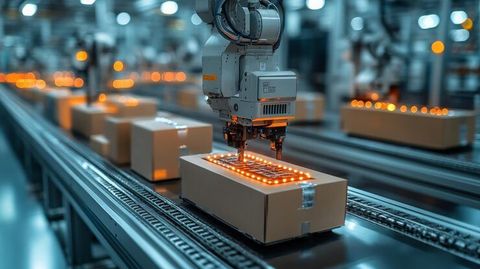
Their ability to provide consistent heating makes them valuable in automated production environments.
Frequently Asked Questions
What is the difference between a hot air blower and a heat gun?
A heat gun is usually smaller and designed for handheld precision work, while a hot air blower may refer to larger systems used for industrial airflow heating and drying applications.
Can hot air blowers be used for electronics repair?
Yes. Many electronics technicians use adjustable hot air blowers for soldering, desoldering, and component replacement because they provide controlled heating.
Are hot air blowers energy efficient?
Modern models with ceramic heating systems and digital temperature controls are generally more energy efficient than older heating technologies.
What safety precautions are important when using a hot air blower?
Users should wear protective equipment, avoid contact with hot surfaces, maintain airflow ventilation, and keep devices away from flammable materials.
Why are adjustable temperature settings important?
Different materials react differently to heat. Adjustable settings help prevent overheating, material damage, or uneven heating results.
Conclusion
Hot air blowers play an important role in industrial operations, technical repair work, construction activities, and household maintenance. Their ability to provide controlled heated airflow makes them safer and more versatile than many traditional heating methods.
Recent developments in energy efficiency, smart controls, and safety systems have improved usability and reduced operational risks. As industries continue focusing on automation and precision, hot air blower technology is expected to become even more advanced in the coming years.
Understanding proper usage, maintenance practices, regulations, and safety measures helps users maximize efficiency while minimizing risks. Whether used for electronics repair, industrial processing, or general maintenance, hot air blowers remain valuable tools in modern environments.